Why More People Are Choosing MBST to Support Joint Health
MBST stands for Magnetic Resonance Therapy. It uses specialised technology designed to stimulate cellular activity within tissues, supporting the body’s natural repair processes.


MBST stands for Magnetic Resonance Therapy. It uses specialised technology designed to stimulate cellular activity within tissues, supporting the body’s natural repair processes.

The start of a new year has a way of making people pause and reflect. Not just on work goals or personal plans, but on something far more important and often ignored… how their body actually feels.

When winter arrives, many people notice changes in their body almost immediately. Joints feel stiffer in the morning, movement feels slower, and aches that were manageable in warmer months suddenly become more noticeable.

Cold temperatures, shorter days, and unpredictable weather conditions often disrupt routines. Many people find themselves moving less, exercising less, and gradually becoming more cautious with their activity.

Musculoskeletal pain affects millions of people every year. It disrupts daily routines, slows movement, limits mobility, and makes it difficult to enjoy the activities you love. For many people, traditional treatments provide temporary relief but do not address the deeper cause of their symptoms.
Magnetic Resonance Therapy, also known as MBST, offers something different. This innovative technology aims to repair damaged tissue at the cellular level, giving people a way to heal naturally without injections, medication, or surgery.

Most people start physiotherapy expecting steady progress — less pain, better movement, and a return to normal.
But for many, there eventually comes a point where the improvements slow down or stop altogether. This isn’t because physiotherapy “failed.”
It’s because physio works on muscles, joints, and movement — not on the damaged cells that caused the problem in the first place. This is where MBST (Magnetic Resonance Therapy) comes in.

Arthritis and joint degeneration are among the most common causes of long term discomfort, stiffness, and reduced mobility. Millions of people live with joint changes that affect how they move, exercise, and carry out everyday tasks.

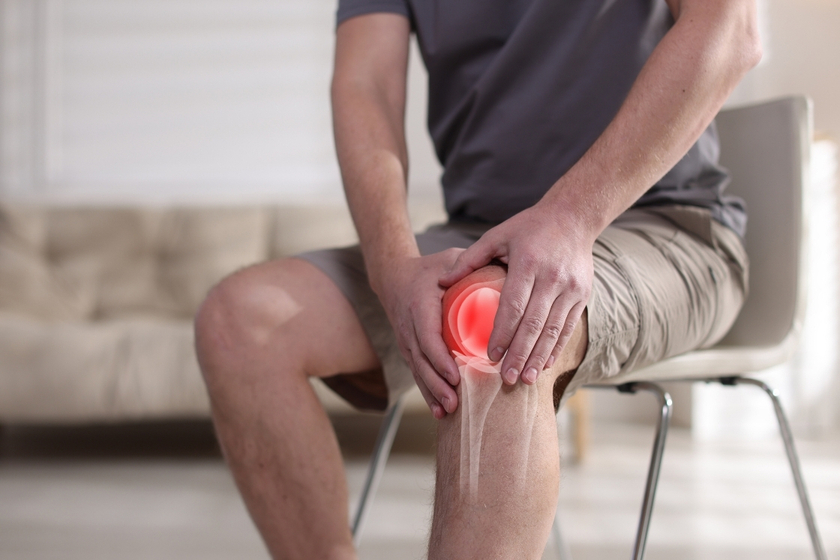
Joint discomfort in the knee, hip, or shoulder can significantly affect daily life. These joints play a central role in movement, stability, and function, and when they are not working properly, even simple activities can become challenging.

For tennis players, the body is both a vehicle of performance and a vulnerable target of repetitive stress. Every serve, forehand, and sprint to the net places demands on the joints, muscles, and connective tissues. While this keeps the sport dynamic and rewarding, it also means that tennis players—whether recreational or competitive—often face aches, injuries, or conditions that can limit mobility and reduce enjoyment.

For tennis players, the body is both a vehicle of performance and a vulnerable target of repetitive stress. Every serve, forehand, and sprint to the net places demands on the joints, muscles, and connective tissues. While this keeps the sport dynamic and rewarding, it also means that tennis players—whether recreational or competitive—often face aches, injuries, or conditions that can limit mobility and reduce enjoyment.